
Last Updated: October 28, 2026
Quick Summary
You can request workplace accommodations by telling your employer what you need in plain language, with no magic words required. Start with your supervisor or HR contact, and put the request in writing to create a record. Name the hard task, the change that would help, and ask when you can discuss it.
- The ADA requires employers with 15 or more employees to provide reasonable accommodations.
- Keep a written accommodation request under 150 words covering the barrier and the change you want.
- Match the request to the barrier, not a diagnosis.
- Medical documentation is not always required and you choose what to share.
- Retaliation against someone who requests an accommodation is prohibited from the day you ask.
Table of Contents
- Start Your Workplace Accommodations Request the Right Way
- A Reasonable Accommodation Request Email Template You Can Copy
- Workplace Accommodation Examples That Match Real Job Barriers
- Medical Documentation for Workplace Accommodations
- What to Do When Your Employer Does Not Respond
- Frequently Asked Questions
Start Your Workplace Accommodations Request the Right Way
You can request workplace accommodations by telling your employer what you need in plain language, no magic words required. The Americans with Disabilities Act requires employers with 15 or more employees to provide reasonable accommodations to qualified employees with disabilities (Small Employers And Reasonable Accommodation). Start with your supervisor or HR contact.
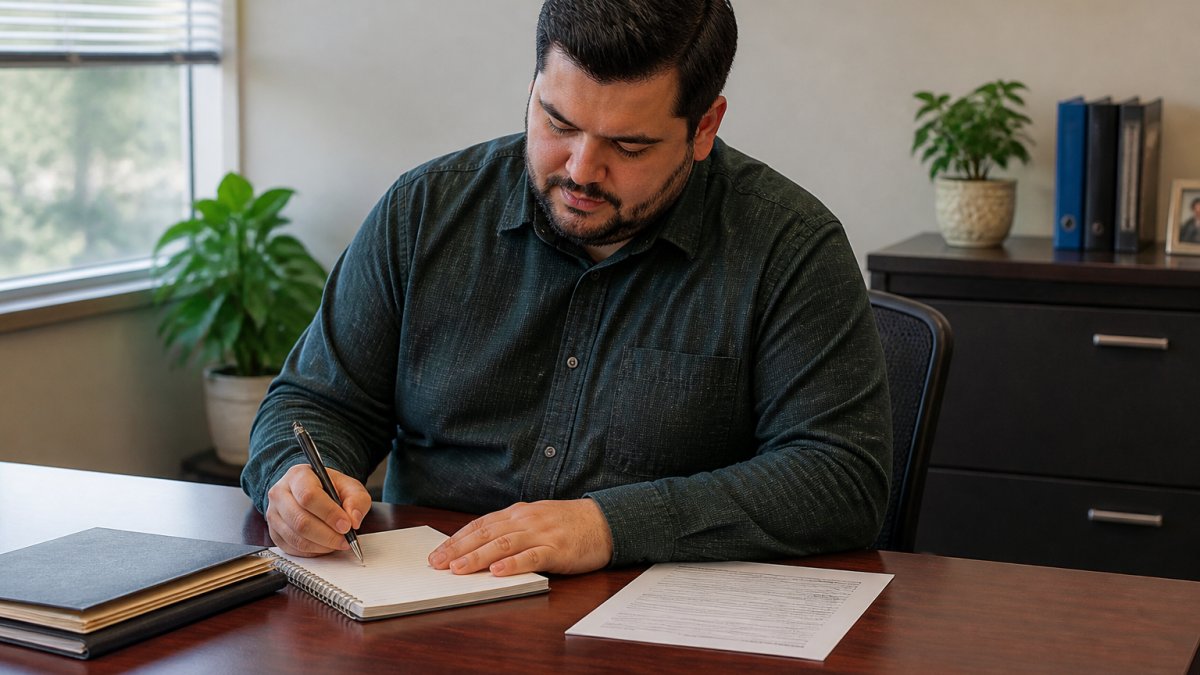
Your request can be oral or written, but a written request creates a record. Name the hard task, the change that would help, and ask when you can discuss it; keep a copy.
A Reasonable Accommodation Request Email Template You Can Copy
A reasonable accommodation request email template should state your name, role, the barrier, the change you want, and a request to discuss it, keep it under 150 words:
Subject: Request for a workplace accommodation
Hi [Manager or HR name],
I am requesting an accommodation for a disability that affects [specific job duty]. I have trouble with [the barrier, such as the current schedule or the physical setup of my workstation]. I would like to request [the change you want]. Could we meet this week to discuss what might work?
I am happy to provide medical documentation if you need it. Thank you for your help.
[Your name]
If you would rather talk first, say: “I need to talk about a change that would help me do my job. Can we set aside 20 minutes this week?”
Workplace Accommodation Examples That Match Real Job Barriers
Match the request to the barrier, not a diagnosis.
| Barrier | Possible Accommodation | Who It Helps |
|---|---|---|
| Fixed start time | Modified work schedule | People with morning medical routines |
| Noisy open office | Quiet workspace or headphones | People with sensory sensitivity |
| Heavy lifting | Job restructuring or equipment | People with physical restrictions |
Assistive technology, ergonomic equipment, and sometimes reassignment to a vacant role also count (Reasonable Accommodation Basics). Accommodation is a good-faith discussion, not a form; your employer may offer a different option that removes the barrier. For coaching, explore disability support programs and disability employment services.
Medical Documentation for Workplace Accommodations
Medical documentation for workplace accommodations is not always required, employers may ask only when your disability or need for the change is not obvious. When requested, keep it narrow: a letter confirming your disability, the duties you cannot perform, and a suggested accommodation. You choose what to share. Securing long-term support often requires a more comprehensive approach to proving permanent disability that establishes the ongoing nature of your limitations beyond the initial request.
How long does an accommodation request take?
Ask for a target date in writing, then follow up politely if it passes.
What to Do When Your Employer Does Not Respond
Silence is not a denial, but it is not progress either. Put your follow-up in writing and reference your original request. You can contact the Equal Employment Opportunity Commission, which enforces the ADA; as the EEOC guidance on reasonable accommodation explains, retaliation against someone who requests an accommodation is prohibited from the day you ask. Keep every email, note, and letter.
Frequently Asked Questions
Do I need to use specific words to request workplace accommodations?
Putting the request in writing, such as an email to HR, creates a record of the date and details. Keep a copy for yourself.
Can my employer ask for medical documentation for workplace accommodations?
Yes, when your disability or need for accommodation is not obvious, an employer may ask for reasonable medical documentation. It should be limited to confirming the disability, explaining how it affects essential job functions, and supporting the need for the accommodation. You do not have to share your full medical history. Ask your healthcare provider to keep the letter focused on those points, and share it only with the person handling your request.
What happens if my employer does not respond to my request?
Follow up in writing and keep a copy. Document every conversation and date.
Getting the request right takes courage, and the process can feel slow when you are eager to start work. Able Inc. has supported adults with disabilities since 1960, with personalized job coaching, hands-on workplace skills training, and long-term follow-up after you are hired. Our team helps you prepare the request, practice the conversation, and keep the job once you land it. Get started with Able Inc. and walk into that meeting prepared.

